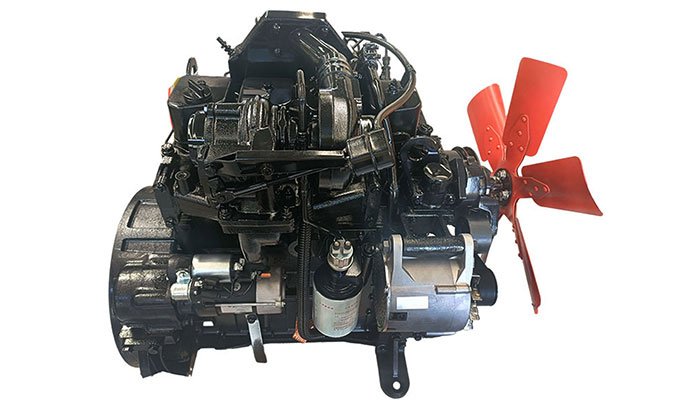
Breaking in a Cummins diesel engine is a crucial process to ensure its longevity, performance, and reliability.
Whether you’re dealing with a brand-new engine or a rebuilt one, proper break-in procedures help seat the piston rings, reduce internal friction, and optimize the engine’s efficiency.
This guide will walk you through the steps to break in a Cummins diesel engine effectively.
1.Pre-Break-In Preparation
Make sure everything is in working order by doing a thorough inspection before starting the engine.
The foundation for a successful break-in procedure is preparedness.
Verify the fluid levels: Make that the fuel, coolant, and engine oil are all at the proper levels.
Make use of premium fluids that adhere to Cummins’ requirements.
For instance, make sure the coolant is clear of impurities and use oil with the proper viscosity.
Check for Leaks: Check for indications of leaks in the cooling system, oil lines, or fuel system. Before starting the engine, take care of any problems.
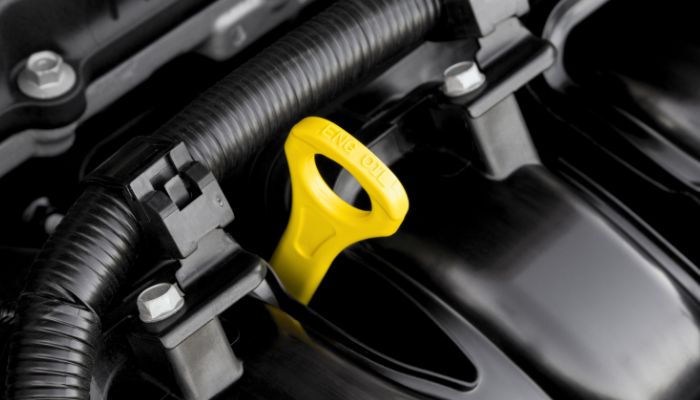
Tighten Connections: Make certain that all of the nuts, bolts, and connections are securely fastened. During operation, loose parts may cause leaks or vibrations.
Prime the Fuel System: If the engine is new or has been sitting for a while, prime the fuel system to remove air and ensure proper fuel flow.
This step is critical for preventing airlocks and ensuring smooth operation.
2.Initial Start-Up
The first start-up is a critical phase in the break-in process.
Proper handling during this stage ensures the engine components begin to wear in correctly.
Idle the Engine: Start the engine and let it idle for 5-10 minutes.
This allows the oil to circulate and lubricate all internal components. Avoid revving the engine during this time.
Monitor Gauges: Keep an eye on the oil pressure, coolant temperature, and other gauges to ensure everything is within normal operating ranges.
Low oil pressure or high coolant temperatures may indicate a problem.
Listen for Abnormalities: Pay attention to any unusual noises, vibrations, or leaks.
If anything seems off, shut down the engine immediately and investigate the issue.
3.Light Load Operation
During the first 50 hours of operation, it’s important to avoid heavy loads and high RPM.
This phase allows the piston rings to seat properly and reduces stress on the engine.
Avoid Full Throttle: Keep the engine load below 75% of its rated capacity.
This prevents excessive stress on the engine components and allows the rings to wear in evenly.
Vary Engine Speed: Operate the engine at varying speeds rather than maintaining a constant RPM.
This helps distribute wear evenly across the cylinder walls and rings.
Limit Idle Time: Avoid prolonged idling, as it can lead to incomplete combustion and carbon buildup.
If the engine must idle, keep it to a minimum.

4.Gradual Load Increase
After the initial 50 hours, you can gradually increase the load on the engine.
This phase helps further seat the rings and ensures the engine can handle higher loads.
Increase to 75-90% Load: Over the next 50-100 hours, slowly increase the load to 75-90% of the engine’s capacity.
This step ensures the engine components are properly conditioned for heavy-duty operation.
Monitor Performance: Continue to monitor the engine’s performance, including oil pressure, coolant temperature, and fuel efficiency.
Any deviations from normal operating parameters should be addressed immediately.